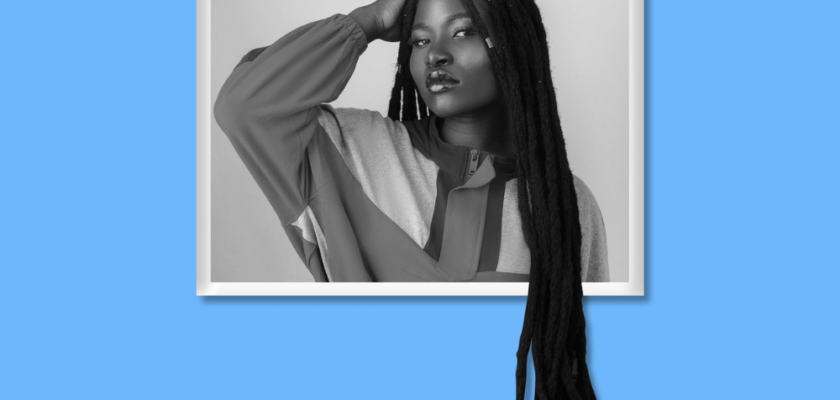
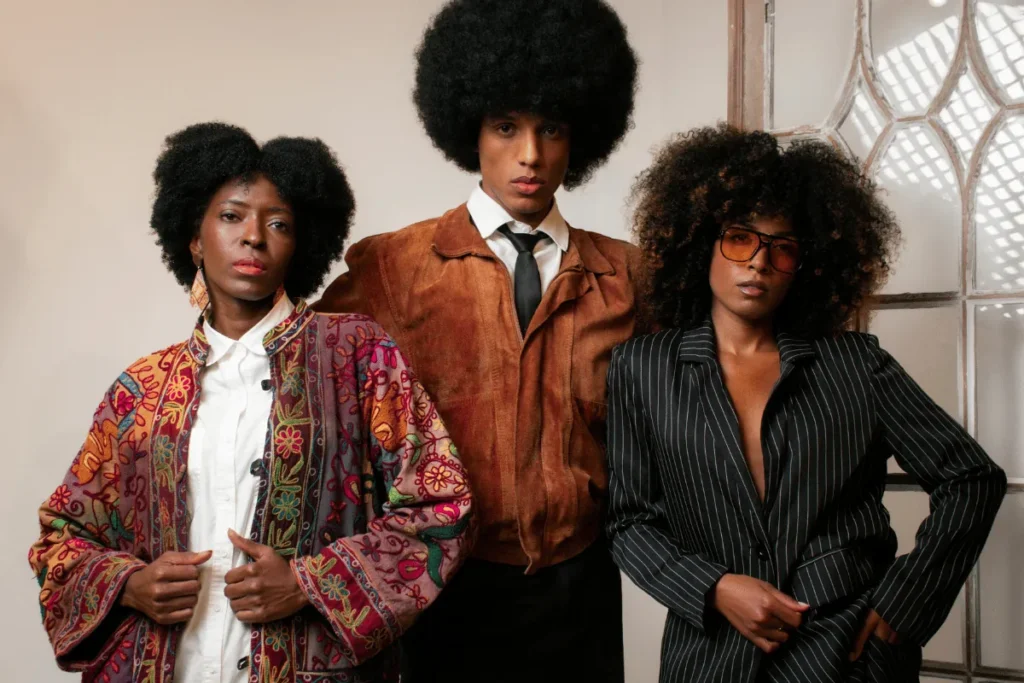
For generations, societal systems pressured Black people to alter, hide, or chemically shift their natural hair to fit definitions of professionalism and beauty that were never built for them. Choosing to step away from those standards is more than a styling choice. It is a powerful declaration of self-ownership.
The Reality of Natural Hair Discrimination
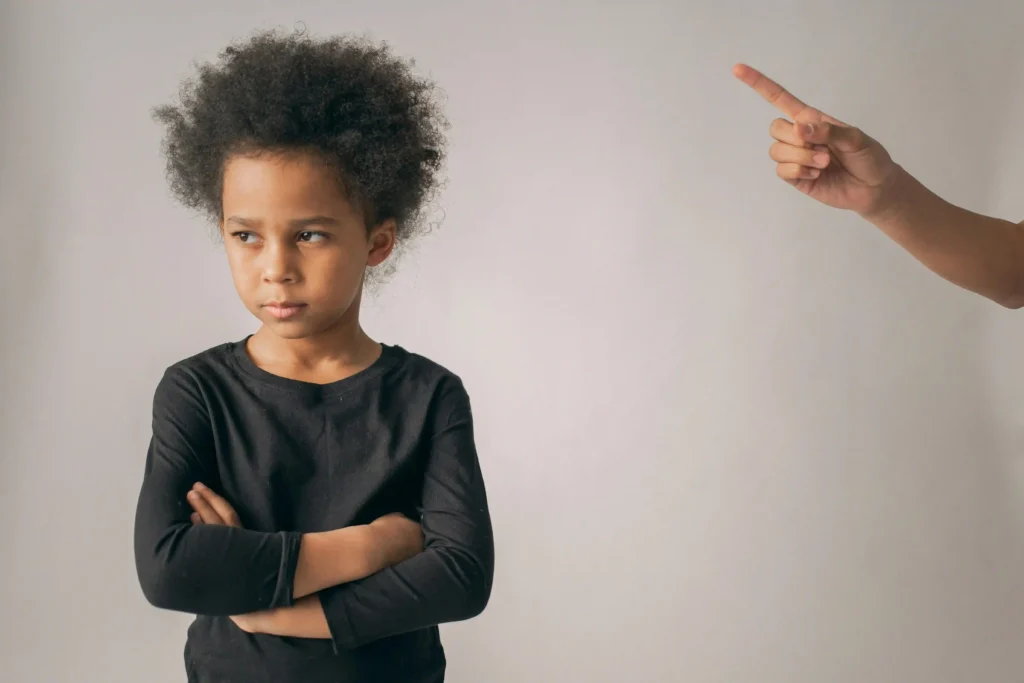
The pressure to conform is not just an abstract societal preference; it is actively enforced through discriminatory policies across schools, workplaces, public spaces, and even at home. Eurocentric grooming standards regularly penalize traditional Black hairstyles under the guise of maintaining a “neat” or “professional” image.
- In Schools: Black students face systemic disciplinary barriers just for growing their hair naturally. High school administrations have suspended students or barred them from graduation ceremonies for refusing to cut their locs. In youth sports, as reported by both ABC News and ABC7, referees have forced Black athletes to cut their hair mid-competition to participate.
- In the Workplace: Bias directly impacts professional advancement and hiring. Studies show that Black women’s natural hair is two-and-a-half times more likely to be perceived as unprofessional compared to straightened hair. Over 20% of young Black women have been sent home from work due to their hair, and many feel forced to straighten their texture just to clear the hurdle of a job interview (Dove CROWN Research Study, 2023).
- In Society: Media and institutions treat coily and textured hair as political statements or aesthetic distractions rather than a natural biological trait. This continuous policing creates immense psychological and financial pressure to conform.
- At Home: This pressure can also come from family. Parents often worry about how the world will treat their kids. Because of this fear, they may tell their children to straighten or change their natural hair just to keep them safe from bias.
Breaking the Cycle of Self-Denial
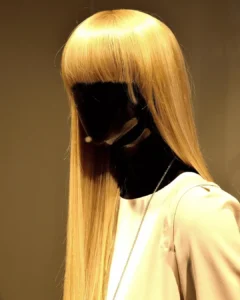
For decades, the beauty standard sold to Black women has required a literal cover-up. Choosing to wear wigs and extensions—frequently produced by outside cultures—is often framed as a simple consumer choice. However, looking beneath the surface reveals a deeper issue: an extension of systemic self-denial.
Forced hair cover-ups create deep psychological damage by conditioning Black people to perceive their natural texture as inherently flawed or ugly. This systematic devaluation enforces the internalized belief that beauty is exclusive to straight, Eurocentric hair, training people to reject their natural reflection.
Tragically, society doesn’t just condition Black people to accept this false standard—it also forces us to pay a premium to maintain it. This manufactured need to alter your natural reflection carries a staggering financial toll. High-quality human hair wigs routinely cost between $100 and $600 each, with premium or custom options quickly climbing. When you factor in multiple purchases, replacements, and professional installations, many women spend upwards of $4,000 to $5,000 annually maintaining these styles. By ditching the fake hair and embracing natural texture, the average woman can save thousands of dollars every single year.
Every time we hide our natural texture, we fund multi-billion-dollar external industries while signaling that our own biological inheritance is not good enough. Returning to our true coils, kinks, and curls is more than a styling preference—it is an economic and cultural revolution that honors our heritage and rejects biased beauty standards.
Self Love❤️
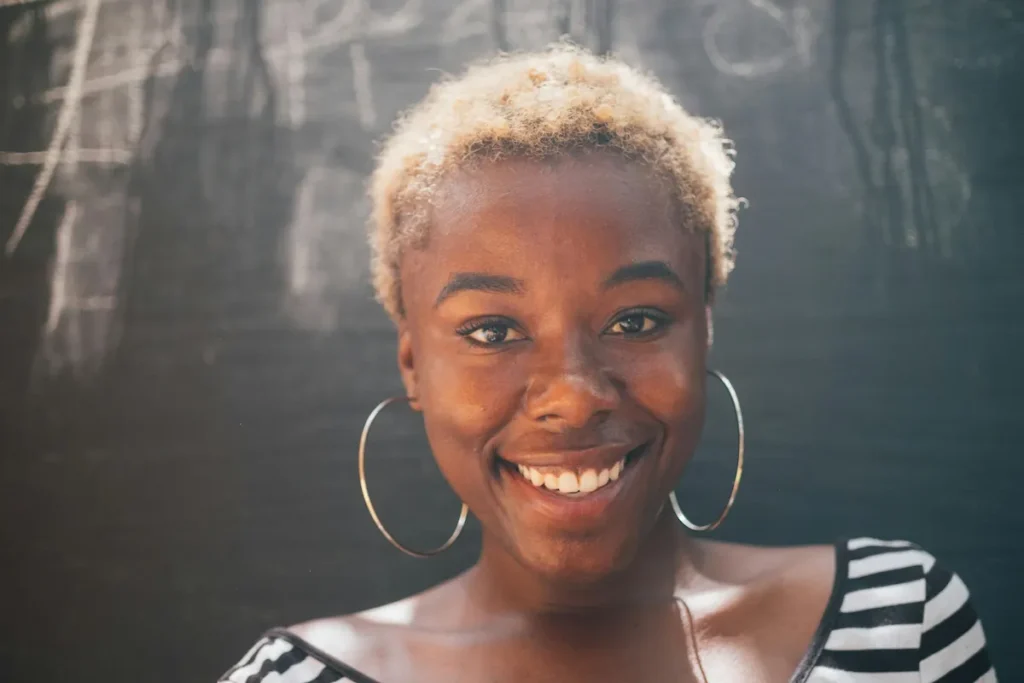
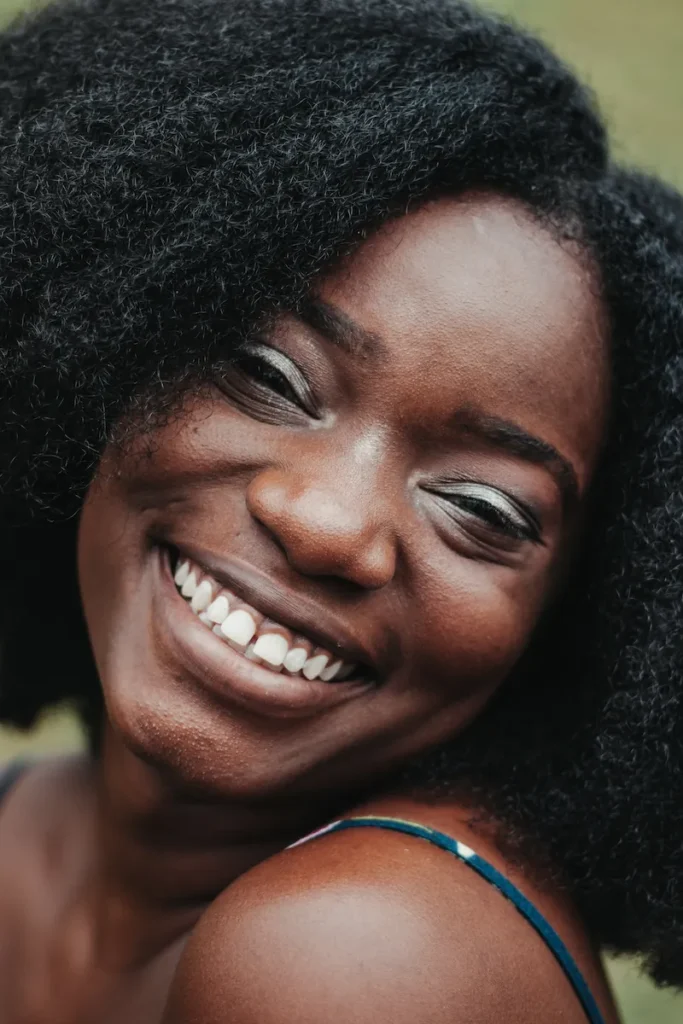
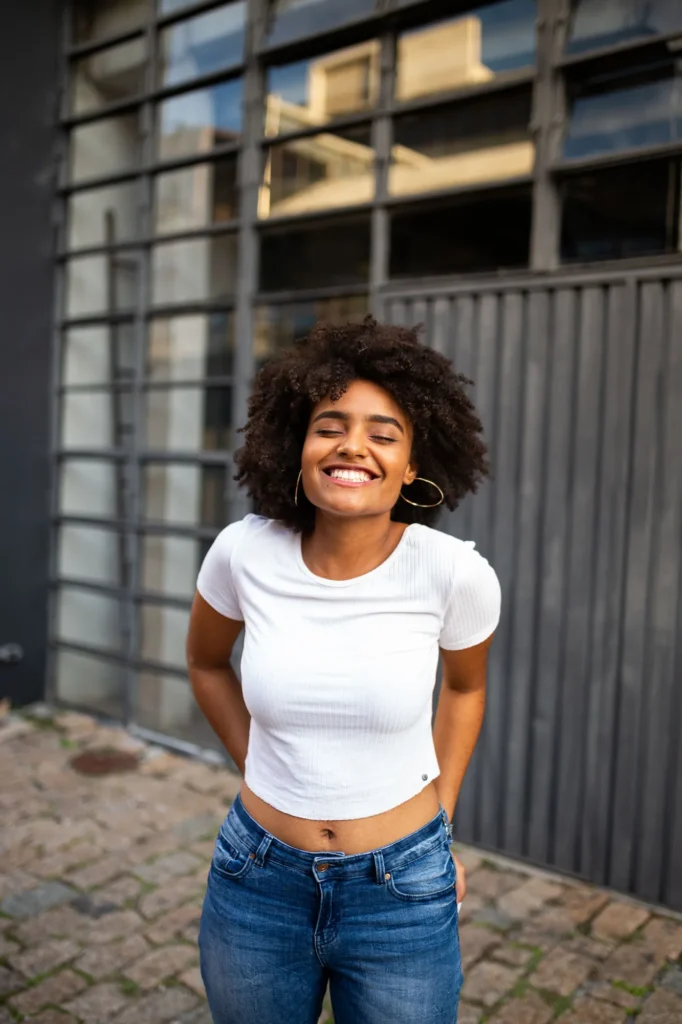
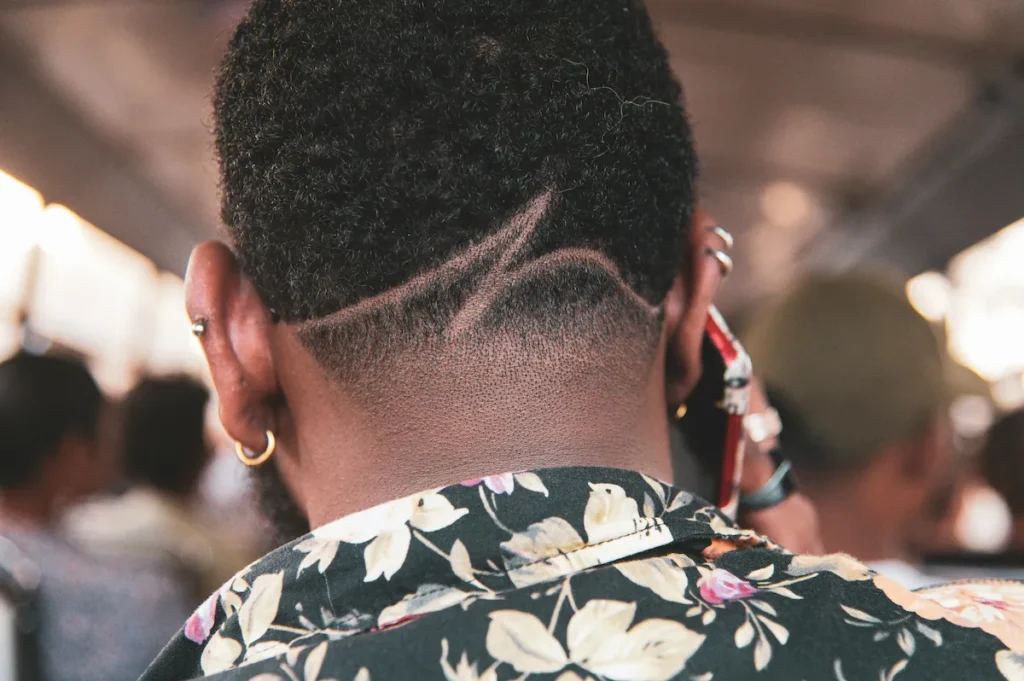
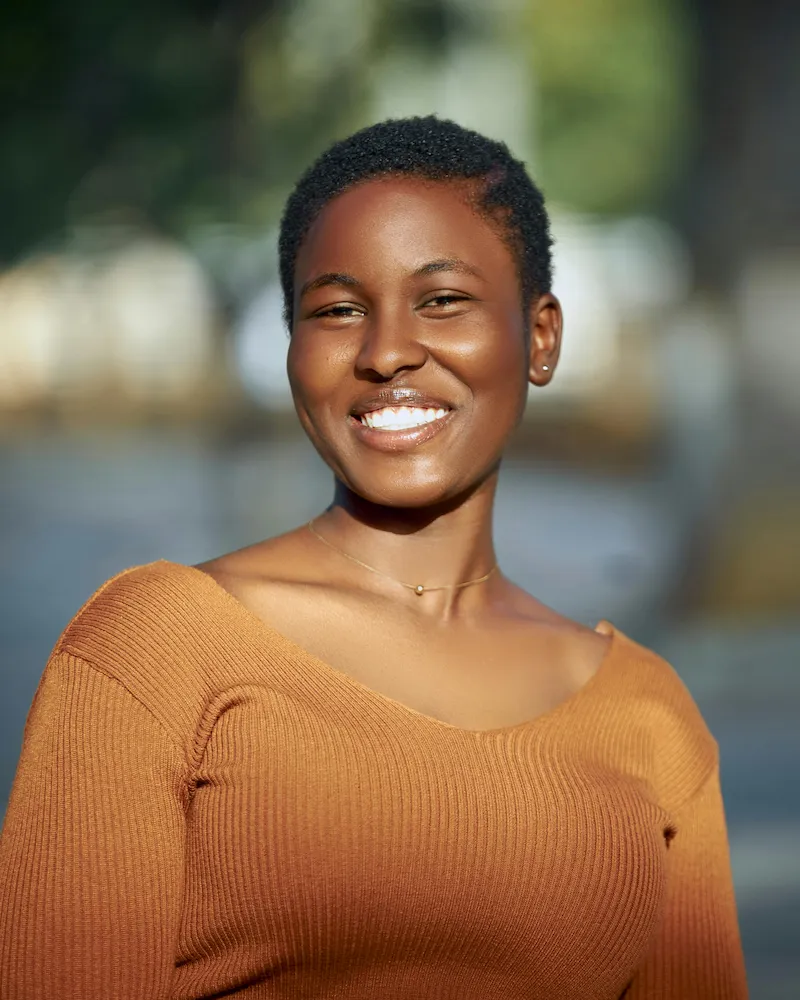
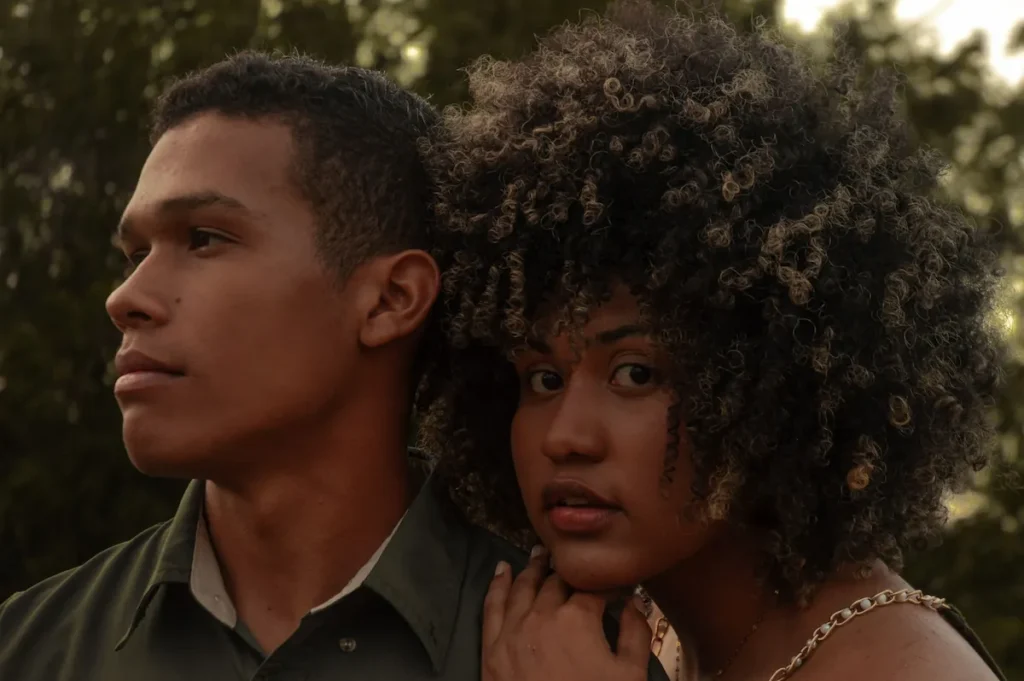
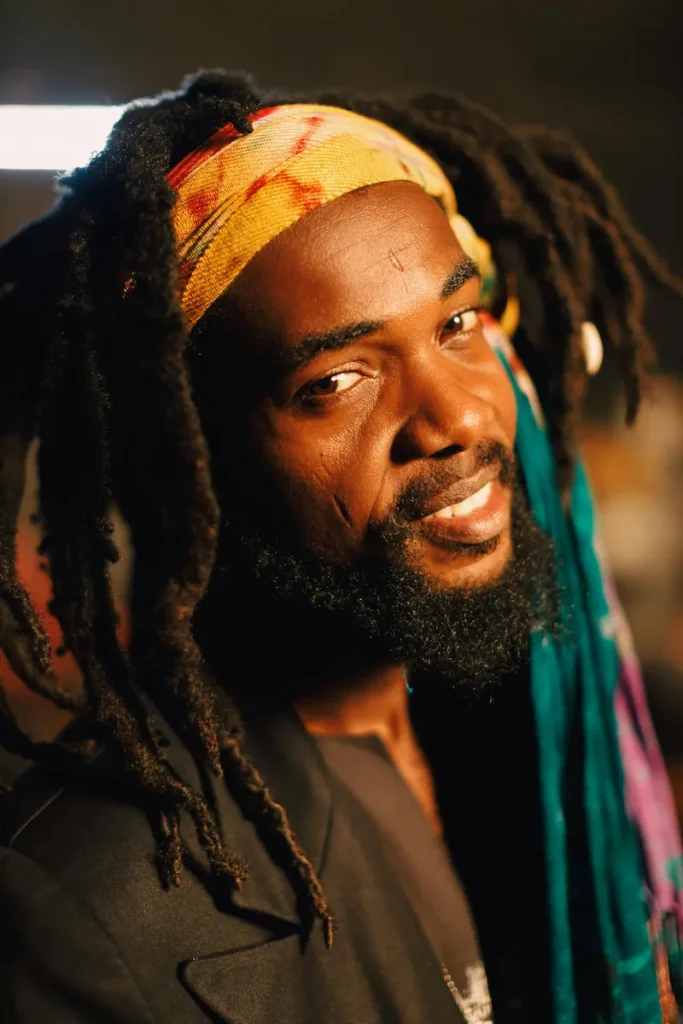
When you wear your natural hair, you are telling the world that you are proud of your heritage, your culture, and your natural body. This self-love changes how you see yourself from the inside out. It builds deep, lasting confidence. When you stop hiding, you finally step into your true power. Let us encourage our community to own it completely, wear it proudly, and remember that true liberation belongs to us.





Key TakeAways
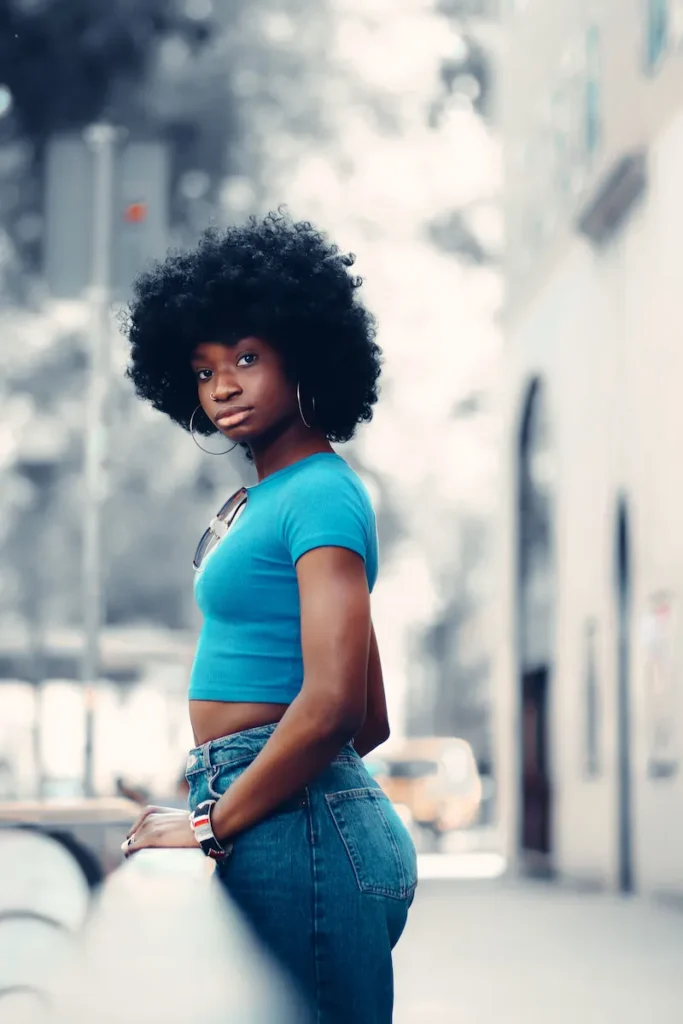
- Narrative Control: Wearing coils, kinks, and locs rewrites the beauty standard on our own terms.
- Economic Autonomy: Moving away from the multi-billion dollar synthetic and foreign hair industry keeps financial resources within our community to build generational wealth.
- Cultural Liberation: Natural texture is a direct connection to heritage, history, and collective power.
- YOU ARE BEAUTIFUL!

